The Best Pastry Pairings at a Cafe in Monument, CO
A good pastry pairing looks simple from the customer side of the counter. You order a drink, add something from the pastry case, find a seat, and five minutes later the whole choice feels obvious. Behind that easy moment, though, there is real judgment. Sweetness, texture, temperature, roast level, spice, and even altitude all shape what tastes balanced and what falls flat.
At a cafe in Monument, CO, those details matter more than people often realize. Monument sits in a place where mornings can begin crisp even in warmer months, where people want something comforting without always wanting something heavy, and where coffee culture leans practical rather than showy. The best pastry pairings are not the richest possible combinations. They are the ones that make you want one more sip, one more bite, and maybe ten more minutes at the table.
A lot of pairing advice online gets overly precious. It can read like wine notes translated into pastry language, all grand statements and no useful direction. In real cafes, the best combinations tend to be easier to understand. Bright drinks sharpen buttery dough. Darker roasts welcome caramelized edges. Tea can rescue pastries that coffee overwhelms. Savory bakes deserve just as much attention as sweet ones. If you know those few principles, the pastry case starts making a lot more sense.
What makes a pairing work
The strongest pairings usually rely on contrast, not repetition. A very sweet drink with a very sweet pastry can feel tiring after two bites. A buttery croissant with a clean, lightly bitter coffee often tastes better than the same croissant with a syrup-heavy latte because the coffee cuts through the fat and resets your palate.
Texture matters just as much as flavor. Flaky pastries need drinks that do not disappear next to them. Denser cakes and quick breads can handle gentler beverages because they bring more weight of their own. Temperature matters too. A warm espresso drink can soften icing, release cinnamon, and make butter aromas bloom. An iced drink, on the other hand, can brighten fruit pastries and keep richer bakes Cafe Monument, CO from feeling stodgy.
There is also the issue of timing. The first two bites of a pastry are rarely the same as the last two. A lemon scone might open tart and finish sweet. A pain au chocolat often starts crisp at the edges but becomes more cocoa-forward once the chocolate warms. Good pairings account for the whole experience, not just the first impression.
At a Cafe Monument, CO regulars tend to order with mood and weather in mind, and that is smart. A snowy morning invites different choices than a sunny afternoon after a trail walk. The environment changes how a pairing lands. A pastry that feels delicate in July can feel unsatisfying in January. A spiced loaf that seems too cozy in midday heat can be perfect with a dark roast on a cold morning.
Croissants and coffee, still the benchmark
If you want a reliable baseline, start with the plain butter croissant and a brewed medium roast or a well-pulled americano. It is the benchmark pairing for a reason. A proper croissant brings layered butter, toasted wheat, a little sweetness, and that fragile shatter at the outer edge. It needs a drink with enough bitterness and body to keep the butter from coating the palate too heavily.
The mistake many people make is ordering a very sweet vanilla latte with a butter croissant. Nothing is inherently wrong with that, but the pairing can blur into one soft, sweet, dairy-heavy note. You lose the pastry’s structure. With a medium roast coffee, by contrast, the croissant keeps its identity. You taste the browned exterior, the tender interior, and the butter separately.
Almond croissants change the equation. They are richer, sweeter, and denser because of the filling, often with powdered sugar and sliced almonds on top. Here, espresso drinks work well if they stay restrained. A cappuccino, not overloaded with syrup, is often ideal. The milk softens any sharpness in the espresso, while the foam keeps the drink from feeling too weighty beside the pastry. If the almond filling is particularly sweet, plain drip coffee can be even better.
Pain au chocolat pairs best with beverages that let the chocolate speak without doubling down on sugar. A cortado does this beautifully. The ratio gives enough espresso structure to meet the pastry, while a smaller amount of milk smooths the edges. If the pastry uses darker chocolate, an americano can be excellent, especially for people who like contrast rather than comfort.
Scones need more care than they usually get
Scones are routinely underserved by bad pairing advice. People treat them like a generic side item when they are actually one of the more variable pastries in any case. A dry blueberry scone and a tender orange currant scone do not want the same drink. Neither does a dense cheddar chive scone.
Fruit scones tend to do best with tea or lighter coffee. Blueberry, raspberry, or mixed berry scones pair naturally with black tea, Earl Grey, or a mellow light roast that brings some acidity without tasting sour. Coffee that is too dark can flatten the fruit and leave only sugar behind. Tea often preserves the cleaner side of the pastry, especially if the scone has a glaze.
Citrus-forward scones can be wonderful with a honey latte, but only if the sweetness is held back. Too much honey turns the whole thing sticky and indistinct. Done well, the floral note in the drink rounds out the tartness in the pastry. I have also seen orange or lemon scones perform surprisingly well with plain green tea, especially in the afternoon when people want something less heavy.
Savory scones deserve special respect. A cheddar scone with a drip coffee can work, but it is often better with a cappuccino or even a chai that is not too sweet. The warm spices in chai can echo the savory depth of baked cheese, while the tea base keeps the pairing from becoming greasy. That sounds unusual until you try it. Then it makes perfect sense.
Cinnamon pastries, where sweetness needs a counterweight
Cinnamon rolls, morning buns, sticky buns, and coffee cakes sell themselves. Their aroma does half the work before anyone takes a bite. The challenge is choosing a drink that keeps that cinnamon-sugar richness enjoyable instead of overwhelming.
A classic cinnamon roll is happiest with black coffee, a flat white, or unsweetened chai. Black coffee is the cleanest option because it slices through frosting and dough. A flat white can work when the roll is less sweet or more bread-like, but with a heavily iced roll, too much milk can make the pairing feel one-note. Unsweetened chai is underrated here. The spices meet the cinnamon without adding bitterness, and the tea helps the pastry taste warmer rather than heavier.
Morning buns are a little different. Their laminated dough and citrus notes, where present, make them livelier than a standard cinnamon roll. They often shine with an americano or a lighter espresso drink. If there is orange zest in the sugar, the pairing can become vivid rather than merely sweet.
Coffee cake is often better with actual coffee than almost anything else in the case. There is a practical logic to this. Streusel topping, tender crumb, and moderate sweetness make coffee cake a bridge pastry. It works with medium roast drip coffee, café au lait, and even cold brew if the weather is warm. The crumb absorbs sips well, and the streusel benefits from roasted bitterness nearby.
Muffins and quick breads, the workhorses of the pastry case
Muffins do not get the romance of croissants, but they are among the most dependable pairings in any cafe. They are portable, filling, and broad in flavor. Pairing them well is mostly a matter of matching intensity.
A blueberry muffin with a medium roast coffee is a straightforward success because the coffee’s roast flavors balance the berry sweetness. But a bran muffin, which is earthier and less sweet, can actually pair better with a latte or a mild tea. The added softness in the beverage rounds out the grainy texture. Banana bread, especially if it includes walnuts or pecans, often sings beside a darker roast or a nutty espresso. Those toasted notes reinforce each other without becoming redundant.
Pumpkin bread and spiced loaf cakes benefit from restraint in the cup. People often choose pumpkin spice drinks with pumpkin loaf, then wonder why the result tastes flat. The issue is repetition without contrast. Better to choose brewed coffee, a cappuccino, or even plain black tea. Let the pastry carry the spice and let the drink bring structure.
Lemon loaf is a useful lesson in acidity. A bright lemon glaze can make some coffees taste harsh, especially if the roast is already acidic. In many cases, tea is safer. Earl Grey and lemon loaf are one of the most reliable pairings in any cafe because bergamot and citrus share a lifted, aromatic quality. The pastry keeps the tea from feeling thin, and the tea keeps the pastry from feeling sugary.
Fruit pastries and the importance of brightness
Turnovers, danishes, galettes, and fruit tarts can be excellent or awkward depending on the drink. Fruit wants brightness, but not always more acidity. That distinction matters.
An apple turnover often pairs beautifully with drip coffee because baked apple, cinnamon, and buttery pastry connect easily with roasted notes. Add caramel, though, and the drink should probably become simpler, not sweeter. Black coffee or a plain Cafe Monument, CO latte usually works better than anything flavored.
Berry danishes can be trickier. If the fruit is tart and the cheese filling is mild, a latte can soften the edges nicely. If the danish is already quite sweet, a tea pairing may be cleaner. Black tea, herbal tea with citrus, or even iced tea in warmer months can keep the fruit tasting fresh.
Stone fruit pastries, when available, are often some of the best items in the case for pairing. Peach, apricot, and plum have enough sweetness to feel generous but enough acidity to stay lively. With those, a cappuccino or a medium roast brewed coffee usually lands well. The fruit remains distinct and the pastry feels seasonal rather than heavy.
When tea is the better choice
Coffee dominates most pastry conversations, but tea is often the smarter partner. It is especially useful with delicate pastries, highly acidic fruit flavors, and pastries whose sweetness can feel obvious next to roasted coffee.
A good tea pairing does not need to be complicated. Black tea works with buttery pastries and many scones. Earl Grey flatters citrus glazes and light vanilla notes. Green tea can be lovely with subtly sweet pastries, especially those with fruit or floral hints. Chai belongs with spiced bakes and certain savory pastries, as long as the tea is not turned into a sugar bomb.
For guests who say coffee feels too harsh with pastries, tea is usually the answer. Not because coffee is wrong, but because tea gives more room to small flavors. Butter tastes butterier, fruit tastes cleaner, and spice tastes warmer.
Savory pastries deserve equal billing
Many pastry cases in Monument and elsewhere mix sweet standards with savory options, and that is a good thing. A spinach feta croissant, ham and cheese croissant, quiche slice, or breakfast hand pie can be the best item in the building at the right hour. Pairing them well is less about indulgence and more about balance.
Savory pastries usually want one of three things from a drink: bitterness, acidity, or spice. Plain drip coffee gives bitterness. A lightly acidic brewed coffee or americano can sharpen buttery, cheesy fillings. Chai or certain teas bring spice that can wake up egg-based pastries.
A ham and cheese croissant with a cappuccino makes obvious sense because the foam softens the salt while the espresso keeps the butter in check. Spinach and feta often pair better with black coffee or tea because the filling can be tangy and salty. Quiche is one of those edge cases where tea can outperform coffee, especially if the quiche includes herbs or vegetables that roasted flavors tend to dominate.
People who default to sweet drinks with savory pastries often end up with a mismatch. Vanilla syrup and ham rarely improve each other. It is worth choosing a simpler beverage and letting the pastry carry the flavor.
Seasonal judgment matters in Monument
Part of what makes a local cafe experience satisfying is that regulars adjust their pairings through the year. Monument’s seasonal swings invite that kind of flexibility. In colder months, richer pastries and darker drinks feel natural. In spring and summer, brighter pastries and simpler beverages often taste more appropriate.
There is also a practical side. At higher elevation and in dry air, people can read strong coffee differently than they do at sea level, especially early in the morning. Milk drinks sometimes feel more comfortable on an empty stomach, while black coffee can come across sharper. That does not mean everyone should order lattes. It means the best pairing is the one that meets both the pastry and the person ordering it.
A cold morning might call for a cinnamon roll and plain drip coffee, something warming and direct. A sunny late morning after errands might be better served by a berry scone and iced tea. A midafternoon meeting may need a less dramatic pair, perhaps banana bread and an americano, because the goal is steadiness rather than treat-yourself indulgence.
A few dependable pairings to order with confidence
If you are standing at the pastry case and do not want to overthink it, these combinations almost always hold up well at a Cafe Monument, CO stop:
- Butter croissant with a medium roast drip coffee
- Almond croissant with a cappuccino
- Blueberry scone with Earl Grey tea
- Cinnamon roll with black coffee
- Ham and cheese croissant with a plain latte
Those choices work because they respect contrast. The drink supports the pastry without duplicating it.
Common pairing mistakes
Most bad pastry pairings come from excess, not from adventurous choices. The drink is too sweet, too large, too flavored, or too intense for what is on the plate. A few patterns show up again and again:
- Matching sweet pastry with a heavily sweetened drink
- Choosing dark roast with delicate citrus or berry pastries
- Pairing savory pastries with vanilla-forward beverages
- Ordering milk-heavy drinks with already rich, butter-dense pastries
- Ignoring tea when coffee keeps disappointing
These are easy mistakes to fix once you notice them. Often the answer is simply to remove one element of sweetness or richness.
How locals tend to get it right
The best regulars in any cafe are not the ones who memorize the menu. They are the ones who pay attention. They notice when the croissants are especially fresh and still warm. They know a fruit danish at 8:00 a.m. Behaves differently than at 2:00 p.m. They remember that a chai one day may be sweeter than usual and adjust the pastry choice the next time. That kind of judgment is not fussy. It is practical.
At a neighborhood spot in Monument, those habits matter because cafes often serve a mix of commuters, remote workers, retirees, parents wrangling kids, and weekend visitors headed toward the mountains. Not everyone wants the same thing from a pastry pairing. Some want comfort. Some want fuel. Some want a small treat that does not derail the rest of the day. The best pairings can do all three if the choice is made with a little care.
That is really the pleasure of it. A pastry and a drink are small things, but they shape the whole visit. Get the pairing right and the cafe feels warmer, the morning steadier, the conversation easier. The pastry case stops being a display of random temptations and becomes what it should be, a set of well-made options waiting for the right match.
Bennies Cafe
17230 Jackson Creek Pkwy Ste 100, Monument, CO 80132
+1 719-445-0660
FAQ About Cafe Monument, CO
What is considered a café?
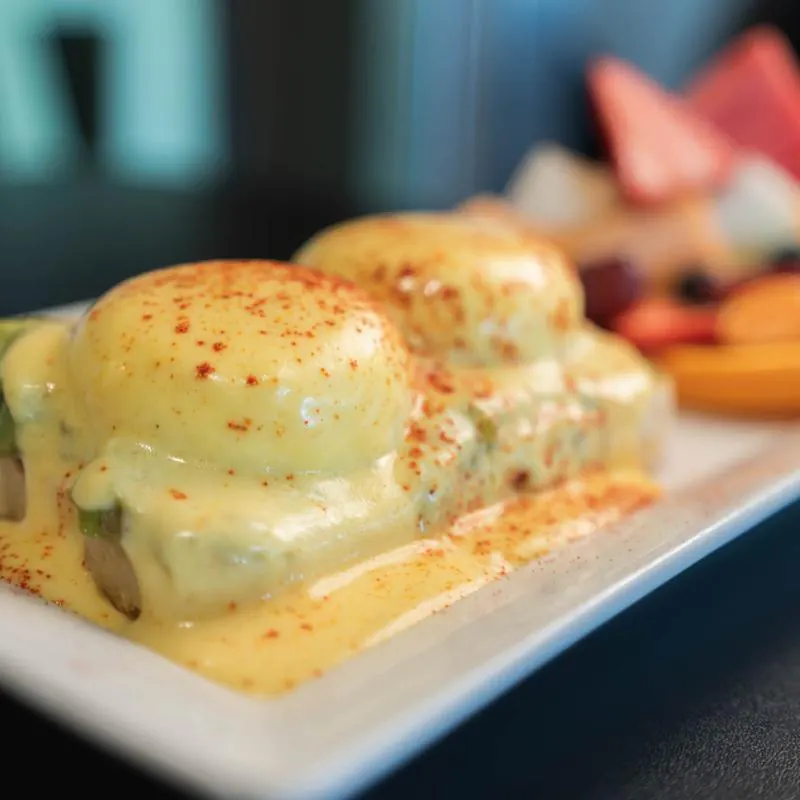
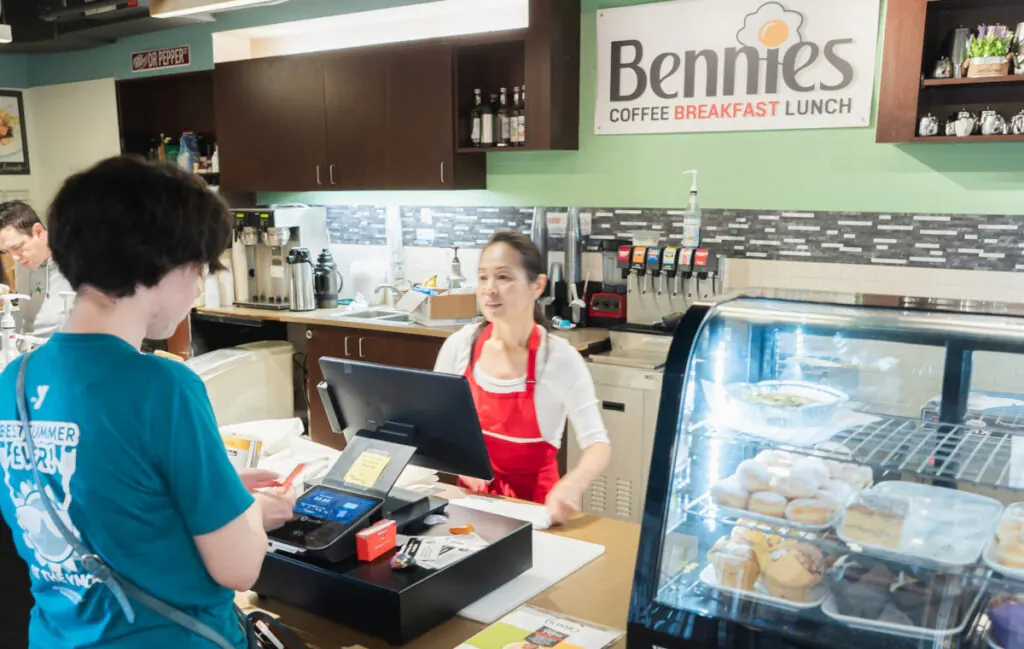
A café is generally an informal place to enjoy refreshments and a meal. Bennies Cafe in Monument serves breakfast and lunch in a counter-service setting, with options including eggs Benedict, sandwiches and crepes. Guests can eat in or arrange pickup.
What is the difference between a coffee shop and a café?
The terms often overlap. A coffee shop usually emphasizes coffee and other drinks, while a café may offer a broader food menu. Check the individual establishment's menu rather than relying on its name. Bennies Cafe offers coffee drinks alongside breakfast and lunch dishes.
What is the difference between café and coffee?
In everyday English, a café is a place where people buy food and drinks, while coffee is the beverage. The word café comes from the French word for coffee. Bennies Cafe serves options such as brewed coffee, espresso and lattes as part of its drinks menu.