Coffee, Conversation, and Comfort in Monument, CO
There are towns where coffee is just a transaction, a paper cup passed over a counter on the way to somewhere else. Monument is not one of them. Here, coffee tends to anchor a morning, soften a winter afternoon, or turn a quick meet-up into a longer, better conversation than anyone planned. In a place where the light changes quickly, the weather keeps people humble, and the pace feels a little more deliberate than it does farther south along the Front Range, a good cafe does more than serve espresso. It gives people a place to settle in.
That matters more in Monument, Colorado than outsiders sometimes realize. The town sits in that interesting band between small-town familiarity and regional growth. You can feel both at once. There are longtime residents who know the rhythm of the community by season, by school schedule, by weekend traffic, and by the first hard snow. There are also newcomers looking for places that feel local without feeling closed off. A welcoming coffee shop often becomes one of the first places where those groups overlap naturally.
For anyone searching for a Cafe Monument, CO experience that feels genuine, the best places are rarely defined by trend alone. Good design helps. A strong pastry case helps. Latte art is pleasant to look at. But comfort, in the fuller sense, is usually built from smaller decisions that reveal themselves over time. It is the way a room handles noise when it starts to fill. It is whether a barista remembers an order without turning that recognition into performance. It is whether someone can read quietly in a corner while two other tables conduct business meetings and a pair of retirees talk through local news at a volume they consider moderate.
What comfort actually means in a mountain-edge town
Comfort gets talked about as if it were a vague, decorative quality. In practice, it is specific. In Monument, a comfortable cafe has to work across temperature swings, shifting foot traffic, and a customer base that does not all want the same thing at the same time.
On a cold morning, when wind comes down off the Palmer Divide and people arrive wrapped in layers, comfort starts with warmth that reaches farther than the register. Not overheated air, not the dry blast that makes coffee cool too fast, but an even, lived-in warmth. The kind that lets people keep gloves off and stay put for a while. Seating matters, but not in the obvious way. Deep chairs are nice for one customer and awkward for another. A better test is whether the room offers choice. Some people want a window seat and a ceramic mug. Some need a sturdy table and a reachable outlet. Some want to be near the door because they are meeting someone and watching for headlights in the parking lot.
Then there is acoustic comfort, which many cafes underestimate. A room can look beautiful and still feel exhausting after twenty minutes if every grinder burst, chair scrape, and shouted order ricochets off hard surfaces. In a community coffee shop, conversation should be possible without turning the space into a competition for airspace. The most successful rooms strike a subtle balance. They carry energy, but they leave enough sonic room for people to think.
Lighting matters too, especially in a Colorado town where bright sun can make interiors feel darker by contrast. Cafes that rely only on overhead fixtures often feel flat in the morning and strangely clinical in the afternoon. The more inviting spaces layer light. They catch the natural brightness without letting the room feel exposed. They make early winter evenings bearable, which is no small thing in a town where darkness can arrive before people are ready for it.
The coffee has to hold up
Atmosphere can draw people in once. Coffee quality brings them back.
This is where many broad conversations about cafe culture become too sentimental. Friendly service and a nice room are not enough if the coffee itself is careless. In Monument, where many customers are regulars rather than one-time visitors, inconsistency gets noticed quickly. A drink that tastes flat on Tuesday and harsh on Thursday will not earn trust, no matter how attractive the cup looks on social media.
At this elevation, even simple coffee service benefits from skill and attention. Brewed coffee can tip bitter if it sits too long. Milk texture that seems acceptable in a rush can collapse into foam that tastes dry and leaves a cappuccino feeling more airy than satisfying. Espresso has to be dialed in with some discipline because temperature, humidity, and bean age all affect the cup. None of this requires theatrics. It requires care.
The strongest cafes tend to understand that different customers read quality in different ways. One person wants a straight espresso with sweetness and clarity. Another wants a mocha that tastes like actual chocolate instead of syrup. A parent stopping in after school drop-off may care less about origin notes and more about whether the drip coffee tastes fresh and hot at 9:30 a.m. That does not lower the standard. It broadens it. Good coffee service is not about impressing only the most specialized customer in the room. It is about delivering solid work across the menu.
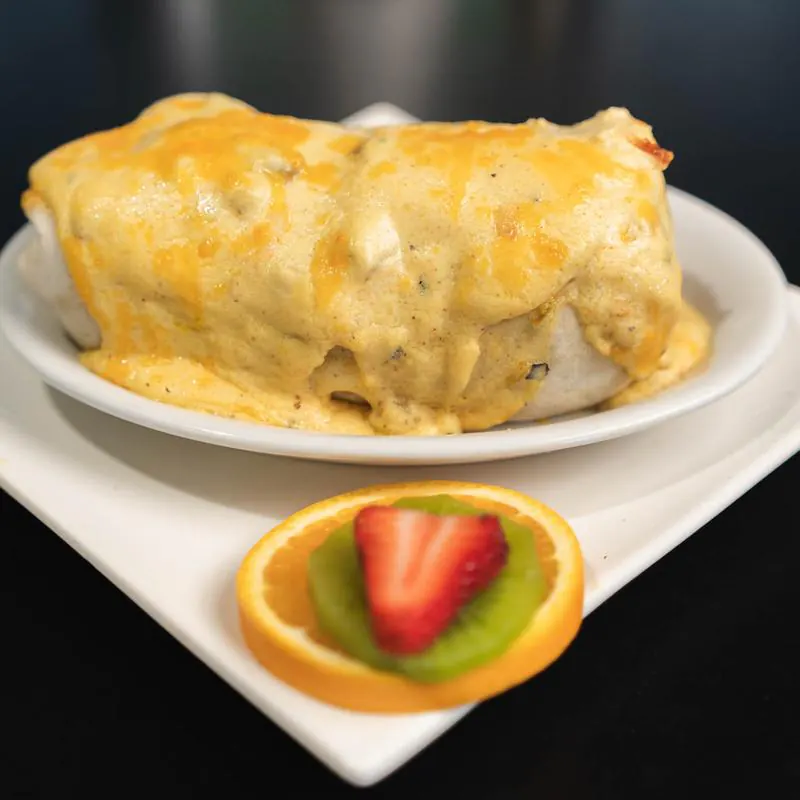
Food plays a supporting role here, and a significant one. In a smaller town, people often use a cafe as a bridge between meals, errands, and meetings. A stale pastry or a sandwich pulled together without much thought undermines the whole experience. Nothing has to be extravagant. In fact, simpler offerings often do better if they are consistently fresh. A good scone, a breakfast burrito that actually tastes like breakfast rather than refrigeration, a muffin that has not dried out under display lights, these details matter because they signal whether the place is run with discipline.
Conversation is part of the product, whether anyone admits it or not
There is a reason coffee shops remain one of the most dependable meeting places in American towns. They offer just enough structure to make gathering easy and just enough informality to let people relax. In Monument, that social function feels especially visible.
You can see it in the mix of uses. Early mornings often belong to solo regulars, commuters, and people grabbing a quiet pocket of time before the day becomes more demanding. Mid-morning tends to bring informal business meetings, real estate conversations, nonprofit planning, and the kind of working session that benefits from caffeine and a neutral table. By afternoon, families, students, and remote workers reshape the room. On weekends, the social purpose becomes even clearer. Coffee becomes less about urgency and more about ritual.
A cafe that supports conversation well does not force it. Staff who understand this know when to be warm and when to step back. They can read the difference between someone eager to chat and someone who has come in carrying the expression of a person who slept badly and needs five quiet minutes before speaking to the world. That kind of judgment cannot be faked for long. It usually comes from good hiring, good management, and a team that actually pays attention.
The best coffee conversations are rarely dramatic. Most are ordinary in the best sense. A neighbor asks about snow totals. Two parents compare school calendars. A contractor reviews a timeline with a client. A young couple debates whether to stay in town for the afternoon or head up the road. A person who works from home all week gets a small but meaningful reminder that they live among other people. Community is built in these modest exchanges, not just at official events.
That is one reason local cafes matter even when every drink they serve could theoretically be made at home for less money. People are not paying only for coffee beans, milk, rent, and labor. They are paying for a public-private space, a room where they can be alone without being isolated, or social without committing to a full event. That has real value, especially in places where winter weather, busy family schedules, and long drives can make spontaneous connection harder than it sounds.
Why Monument’s pace changes the cafe experience
Monument is close enough to larger population centers that speed and convenience matter. It is also distinct enough that many people still want a place with a little patience built into it. That tension shapes what works and what does not.
In denser urban areas, some customers are happy to trade atmosphere for efficiency every time. In more rural settings, people may expect slower service if it comes with familiarity and care. Monument sits somewhere in between. People appreciate quick service when they need it, but they are also paying attention to whether a space feels grounded rather than rushed.
A cafe that feels too optimized can miss the mark. If every seat is arranged to maximize turnover, if every interaction sounds scripted, if the menu reads like branding before it reads like food and drink, the space may function well but still feel thin. On the other hand, a place that leans too far into leisurely charm can frustrate customers who have jobs, appointments, and school pickups. The sweet spot is competence without hurry. Customers should feel that the operation knows what it is doing, and that staying a little longer is not an inconvenience.
That is particularly important in a town where many people still use coffee shops as practical third places. The term gets overused, but the need is real. Not everyone wants to work at home all day. Not every conversation belongs in an office. Not every pause in the day should happen in a car. A reliable cafe gives shape to those in-between hours.
The seasonal test
If you want to know whether a coffee shop truly belongs to its town, visit across seasons.
A cafe can feel charming in October, when the air is crisp and everyone is in a good mood. The harder test comes later. Winter reveals a lot. Are the entrances manageable when snow is tracked in? Does the room still feel inviting when coats, scarves, and boots take up extra space? Does hot coffee arrive hot enough to matter? Are the windows a pleasant frame for the weather, or do they turn every seat near them into a cold zone no one wants?
Spring brings a different challenge, especially in Colorado, where spring often behaves like a debate rather than a season. Foot traffic becomes less predictable. Patios can look appealing at noon and miserable by two o’clock if the wind shifts. Staff need to adapt, and so does the menu. Summer, especially during local events and weekend travel, tests capacity and patience. A place that feels personal during a slow weekday morning can become strained if systems do not scale. Fall asks yet another question, which is whether the space can handle increased social use without turning every seasonal drink into a gimmick.
The cafes people return to year-round are usually the ones that make subtle adjustments without becoming unrecognizable. They do not reinvent themselves every quarter. They respond to the season while keeping their identity intact.
What people notice, even if they do not say it out loud
Experienced cafe owners know that customers read a space constantly. They notice things they never mention directly, and those impressions shape loyalty.
Here are a few details that consistently matter:
- Clean tables and floors, especially during busy hours, because mess reads as stress.
- Restrooms that are maintained, since nothing undermines hospitality faster than neglect.
- A menu that is easy to understand at the register, which keeps the line moving and lowers pressure.
- Seating that accommodates different uses, from quick stops to longer conversations.
- Staff who can balance friendliness with efficiency, without sounding forced.
None of those qualities are glamorous, but they separate places that feel professionally run from places that feel improvised. Customers may forgive a long line on a Saturday. They are less forgiving of confusion, indifference, or preventable disorder.
The remote work factor, handled well or poorly
Over the past several years, coffee shops have become even more important as workspaces, and that creates trade-offs. A cafe in Monument may attract remote workers, students, and people taking hybrid meetings between errands or school runs. This can be good for business and good for the social atmosphere. It can also create friction if the room is small or if a handful of laptops quietly occupy the best seats for half the day.
The best operators set the tone through layout and service rather than confrontation. A few well-placed two-top tables near outlets can support longer stays without turning the entire room into a coworking office. Larger communal tables can work if they are actually functional, not decorative. Wi-Fi should be reliable, but the room should still welcome customers who have no intention of opening a laptop. Families, retirees, and friends catching up should not feel as if they are intruding on a workplace.
From a customer standpoint, some courtesy goes a long way. Buy more than one item if you are staying a while. Use headphones for meetings. Do not spread out like you rented the room. These are not formal rules in most places, but people notice who treats shared space well.
What makes a cafe feel local rather than merely located here
A coffee shop can sit in Monument and still feel generic. That disconnect usually comes from a mismatch between the business and the community around it. Local character is not created by hanging a few Colorado-themed signs on the wall or naming a drink after a mountain. It comes from understanding how people in town actually live.
That might show up in early opening hours that respect commuting patterns. It might mean carrying food substantial enough for someone headed into a full workday. It might mean designing a room that welcomes post-school traffic without becoming chaotic. It might mean hiring people who understand the town, or at least take the time to learn its rhythms.
Local does not have to mean old-fashioned, and it does not require performative rustic charm. It means the place feels responsive to where it is. In Monument, that usually looks like practicality with warmth. Customers appreciate polish, but they tend to trust spaces that feel sincere more than spaces that feel heavily branded.
This is where a true Cafe Monument, CO identity comes into focus. It is not a single aesthetic or menu style. It is a combination of steadiness, hospitality, and enough personality to give people a reason Cafe Monument, CO to choose the cafe for more than caffeine alone.
The value of being known, but not exposed
One of the subtle pleasures of a good local cafe is the ability to be recognized without feeling scrutinized. In a smaller community, that balance matters. Some customers love walking in and being greeted by name. Others prefer a gentler form of familiarity, a nod, a remembered drink, a sense that they belong there without needing to perform that belonging.
The strongest coffee shops understand the difference. They build repeat business by making people comfortable, not by treating every regular like a public event. This is especially important in towns where people often run into neighbors, coworkers, teachers, coaches, and clients in the same hour. A cafe should make those crossings easier, not more awkward.
That takes emotional intelligence from staff and owners. It also takes a room design that offers degrees of visibility. Not everyone wants to sit in the center of things. Some people want the social signal of being out in town while still having enough privacy to read, think, or talk quietly. When a cafe accommodates both extroverts and people who simply want a calm corner, it expands its usefulness to the whole community.
Why places like this stay important
Coffee shops come and go, sometimes because economics get hard, sometimes because the concept never matched the market, and sometimes because operating a consistently good cafe is more demanding than it appears from the customer side of the counter. Margins are tight, labor is difficult, and every detail has to work together. That makes the enduring places worth appreciating.
When a cafe in Monument gets it right, it offers something larger than a beverage menu. It gives the town a reliable pause point. It creates room for conversation that would otherwise Cafe Monument, CO be delayed, shortened, or lost. It makes ordinary days feel a little more supported. On difficult days, that can matter more than people admit.
The coffee itself should be excellent. The food should be fresh. The service should be steady. But the real achievement is this: people walk in carrying whatever the day has already given them, and for a little while, the room makes that load feel lighter. In a town like Monument, with its shifting weather, growing population, and strong sense of place, that kind of comfort is not incidental. It is the reason people keep coming back.
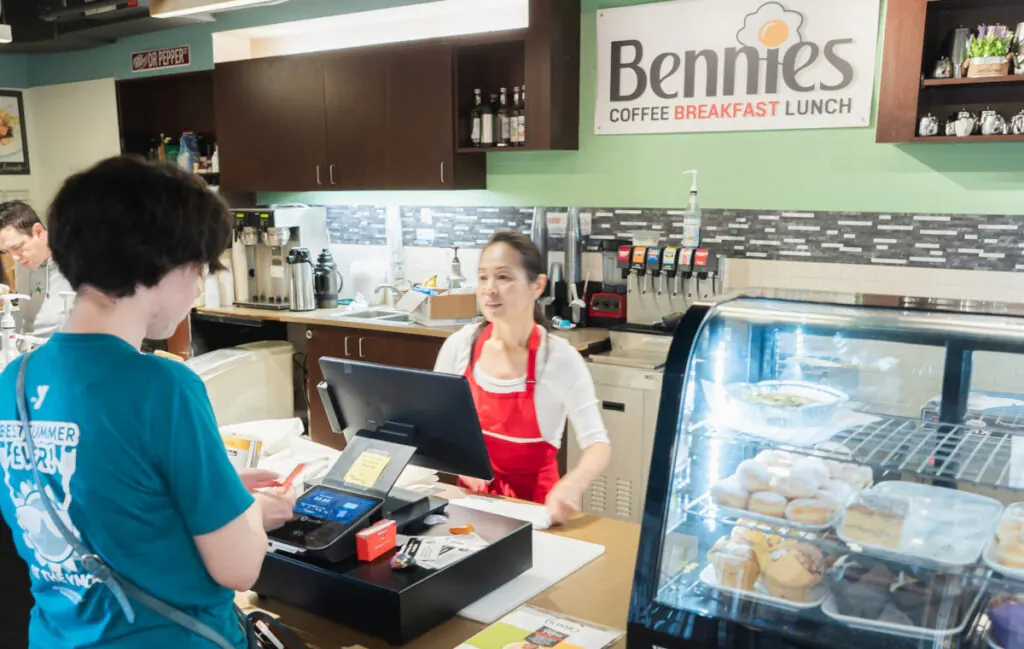
Bennies Cafe
17230 Jackson Creek Pkwy Ste 100, Monument, CO 80132
+1 719-445-0660
FAQ About Cafe Monument, CO
What is considered a café?
A café is generally an informal place to enjoy refreshments and a meal. Bennies Cafe in Monument serves breakfast and lunch in a counter-service setting, with options including eggs Benedict, sandwiches and crepes. Guests can eat in or arrange pickup.
What is the difference between a coffee shop and a café?
The terms often overlap. A coffee shop usually emphasizes coffee and other drinks, while a café may offer a broader food menu. Check the individual establishment's menu rather than relying on its name. Bennies Cafe offers coffee drinks alongside breakfast and lunch dishes.
What is the difference between café and coffee?
In everyday English, a café is a place where people buy food and drinks, while coffee is the beverage. The word café comes from the French word for coffee. Bennies Cafe serves options such as brewed coffee, espresso and lattes as part of its drinks menu.